
HOW TO TURN YOUR INVENTION INTO A REAL PRODUCT
Every product you've ever owned started the same way: as an idea in someone's head. A sketch on a napkin. A frustration with something that didn't work well enough. A "why doesn't this exist yet" moment in the shower. Most of those ideas never go anywhere. Not because they weren't good enough — but because the distance between "I have an idea" and "I have a product sitting on a shelf" feels impossibly large. Engineering. Prototyping. Supply chain. Certification. Manufacturing. Logistics. For most first-time inventors, that list alone is enough to make the idea quietly die in a notebook. This article is about closing that gap — and about why, at Run Group, we believe that gap shouldn't cost you your life savings to close.
THE PROBLEM WITH TURNING AN IDEA INTO A PRODUCT
If you search online for how to design a product, or how to bring a product idea to life, you'll find no shortage of advice. What you won't find much of is honesty about how fragmented the process actually is. Here's the uncomfortable truth: product development isn't one skill. It's at least five. You need product design — translating a rough idea into something that actually looks and feels right, with real proportions, real materials, and real usability in mind. You need engineering — because a beautiful design that can't physically be manufactured, or that breaks the first time someone uses it, isn't a product. It's a liability. You need supply chain knowledge — knowing which factories can actually produce what you need, at what quality, at what price, and without disappearing with your deposit. You need logistics expertise — because getting a product from a factory floor in Shenzhen to a customer's doorstep in Copenhagen involves customs, shipping documentation, import duties, and a dozen ways for things to go expensively wrong. And you need compliance and certification knowledge — because in the EU, a product that doesn't meet CE requirements, RoHS restrictions, REACH regulations, or relevant safety standards isn't just risky. It's illegal to sell. Most inventors are experts in exactly one of these five areas — usually the idea itself. The other four are where good products quietly die, not because the idea was bad, but because nobody told the inventor what they didn't know.
WHY MOST INVENTORS GET STUCK (AND IT'S NOT THEIR FAULT)
We've sat across the table from enough first-time product inventors to see the pattern repeat itself almost exactly the same way every time. It usually starts with excitement. An idea feels obviously good. Friends and family love it. Maybe there's even a rough 3D render or a hand-built prototype. Then reality sets in. A quick search for a product design agency returns quotes in the tens of thousands of euros before a single prototype even exists. Freelance platforms are full of designers who can make something look good in a render but have never actually shipped a physical product through a real factory. Sourcing agents overseas promise the world and under-deliver on quality. And the inventor is left holding an idea, a shrinking bank account, and a growing pile of unanswered questions. This isn't a failure of ambition. It's a failure of access — access to people who have actually done this before, who know which questions to ask a factory before wiring a deposit, who know the difference between a supplier that will scale with you and one that will ghost you after the first shipment. That access is usually reserved for companies with real capital behind them. We think that's backwards.
PRODUCT DESIGN VERSUS ENGINEERING: WHAT'S THE DIFFERENCE?
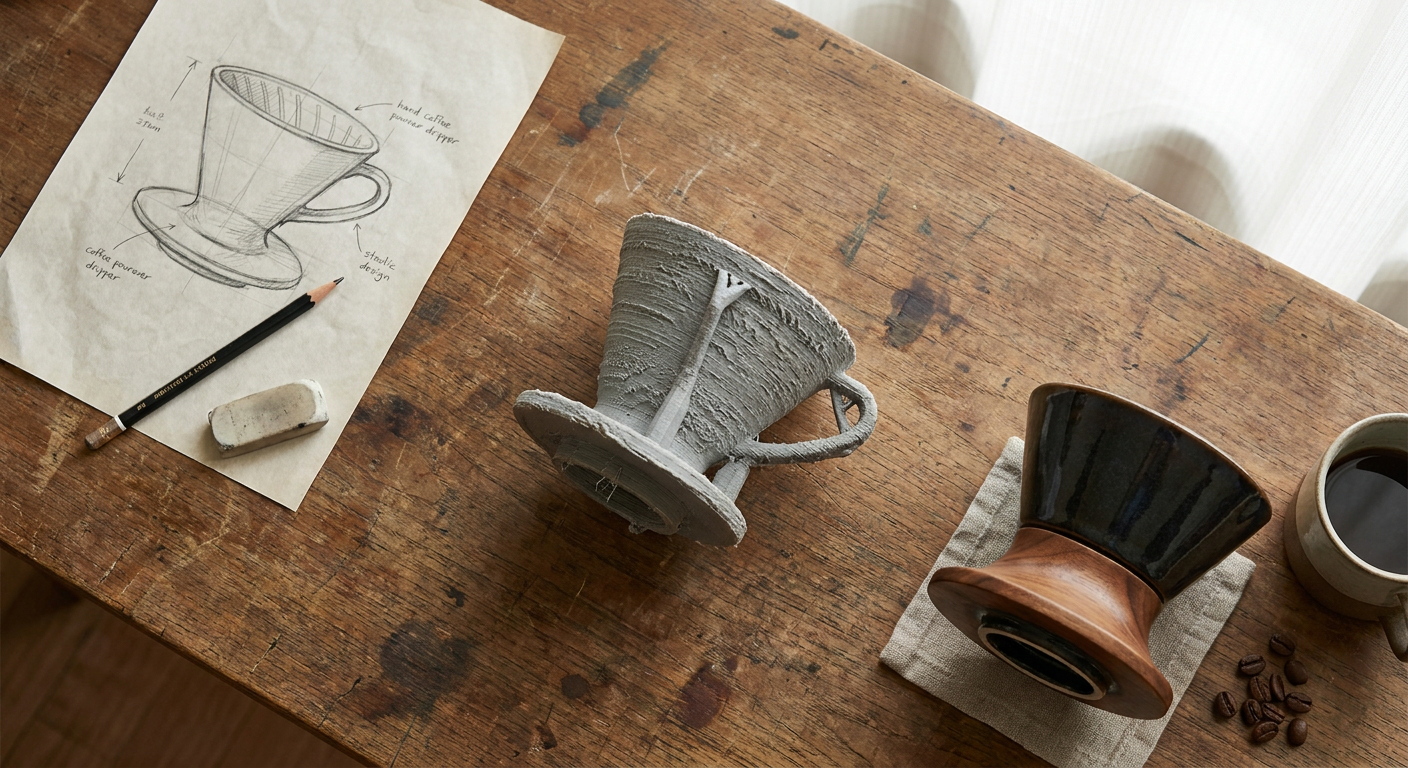
One of the most common points of confusion for first-time inventors is the difference between product design and engineering — and understanding this distinction early can save months of wasted effort. Product design is about form, usability, and user experience. It asks: how should this look, how should it feel in someone's hand, how should someone interact with it intuitively? A product designer thinks about aesthetics, ergonomics, and the overall user journey. Engineering is about making that design physically real and durable. It asks: what materials can actually achieve this shape, what tolerances are needed for the parts to fit together, how will this hold up under repeated use, heat, moisture, or stress? An engineer thinks about structural integrity, manufacturability, and cost-efficiency at scale. The best products come from these two disciplines working together from the very beginning — not design first, then "figure out the engineering later." A design that looks perfect on screen but can't be injection-molded, assembled efficiently, or manufactured within a reasonable cost is not a finished design. It's a starting point that still needs real engineering input. This is exactly why so many first-time inventors get a beautiful render from a designer, only to discover later that it's prohibitively expensive or physically impossible to manufacture as drawn. Involving engineering expertise from day one — not after the "design is done" — is one of the single biggest factors separating ideas that become real products from ideas that stay sketches forever.
WHAT ACTUALLY HAPPENS BETWEEN IDEA AND PRODUCT ON A SHELF
Let's demystify the process, because once you see it laid out step by step, it stops being intimidating and starts being manageable. Step one is concept validation. Before anything is designed or engineered, the real question is simple: does this solve a real problem for a real group of people, and will they actually pay for it? This is where many good ideas get sharpened — and where some ideas get killed early, which is actually a gift, because it's far cheaper to kill a bad idea on paper than after tooling has been paid for. Step two is product design. This is where the idea becomes something tangible — sketches become 3D models, rough concepts become defined dimensions, materials, and mechanisms. Good product design balances three things that are constantly in tension: how it looks, how it functions, and how realistically it can be manufactured. Step three is engineering and prototyping. This is where design meets physics. Can this actually be built? Will it survive daily use? What tolerances does it need? A prototype isn't just a pretty model — it's a stress test for every assumption made in the design phase. Most products go through multiple prototype iterations before a single unit ever reaches a real production line, and this is normal, not a sign that something went wrong. Step four is sourcing and supply chain setup. This is arguably where the most money is made or lost in the entire process. Finding the right manufacturing partner — not just the cheapest one — determines your margins, your quality, and your ability to scale for years to come. This step also includes negotiating minimum order quantities, understanding lead times, and building in quality control checkpoints before products ever leave the factory. It also means understanding currency risk, payment terms, and how to protect yourself contractually before sending any deposit overseas. Step five is certification and compliance. Depending on your product category, this might mean CE marking, RoHS compliance, REACH documentation, or other sector-specific certifications. Skipping this step doesn't just risk fines — it can mean your product gets stopped at customs, or worse, pulled from the market after launch. Compliance requirements also vary significantly by target market, which is something many first-time inventors don't realize until they try to expand beyond their home country. Step six is logistics and distribution. Getting a container of your product from a factory to a warehouse — and from a warehouse into customers' hands — involves freight forwarding, customs clearance, import duties, and warehousing decisions that directly affect your landed cost per unit. Choosing between air freight and sea freight alone can be the difference between a healthy margin and a product that loses money on every unit sold. Step seven is go-to-market. A great product with no distribution strategy is just expensive inventory. This is where pricing, positioning, and sales channels determine whether all the previous work translates into an actual business. Seven steps. Five disciplines. One idea. This is why so few inventions make it to market — not because the ideas aren't good, but because almost nobody has all seven steps covered under one roof.
HOW RUN GROUP HELPS INVENTORS BRIDGE THE GAP
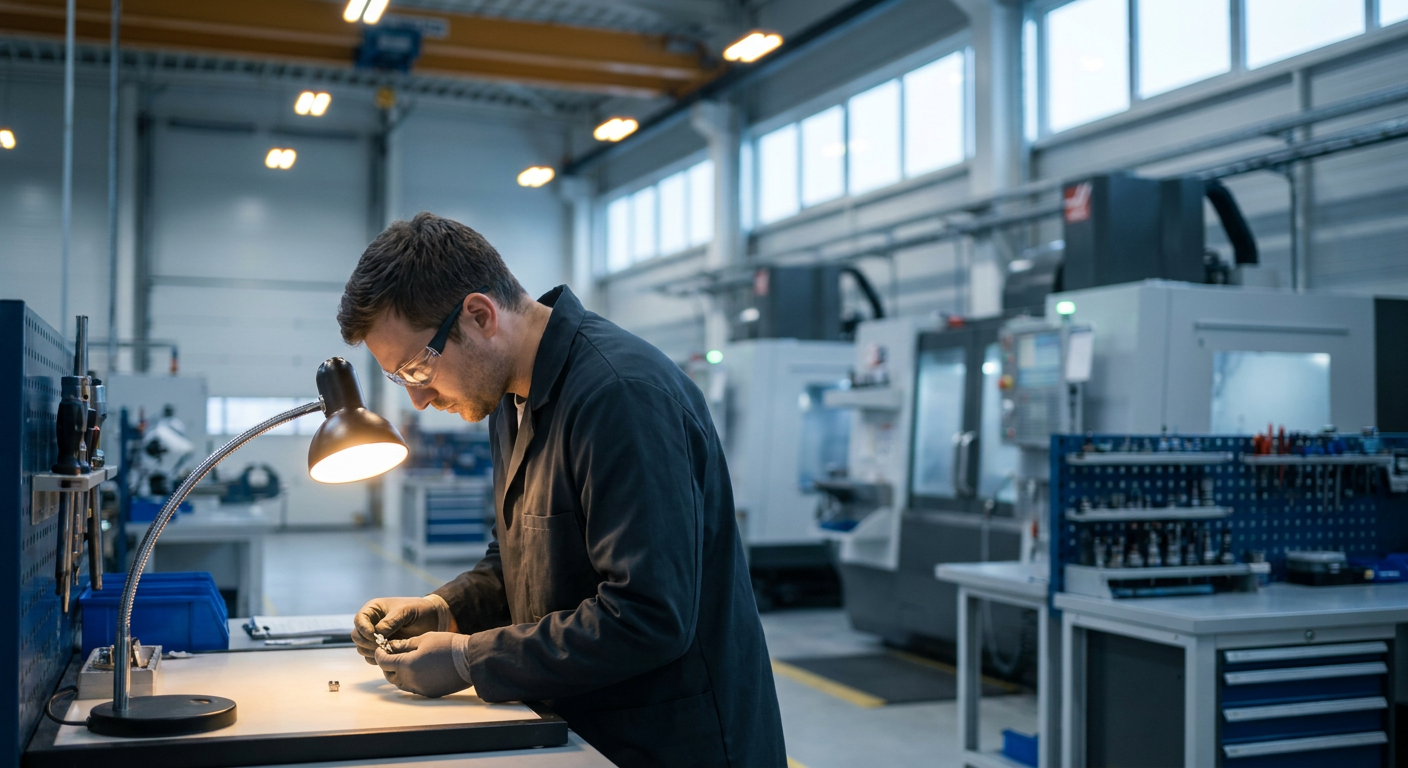
At Run Group, we built our inventor support model around one simple belief: a good idea shouldn't require a six-figure budget just to find out if it's viable. For €1,000, inventors can start the adventure with us — a genuine starting point, not a teaser price designed to upsell you immediately. This entry point is deliberately built to lower the barrier for first-time inventors who have a real idea but have never navigated product design, engineering, supply chain, or compliance before. From there, we work alongside you through the stages that matter most: refining the design into something manufacturable, identifying and vetting the right production partners, understanding true landed costs (not just factory quotes), and mapping out the compliance requirements specific to your product and target market. We've made the expensive mistakes already, across lighting, consumer goods, and industrial products — the supplier relationship that looked fine until it wasn't, the certification requirement nobody mentioned until a shipment was stuck at customs, the pricing assumption that quietly killed margin. Our job is to make sure you don't pay to learn those same lessons the hard way. As your project grows, we scale alongside it — from early-stage design and sourcing support, up to full supply chain management, direct factory partnerships, and CE documentation handled end to end. You don't need to figure out which agency does design, which company handles sourcing, and which consultant understands compliance. You need one team that has already done all three, together, repeatedly.
WHO THIS IS FOR
This path is built for people who have a real product idea and are serious about testing it in the real world — whether that's an inventor with a working prototype in their garage, a small business owner who wants to add a physical product to their offering, or an engineer with a concept who has never dealt with overseas manufacturing before. It's not about having all the answers. It's about having a partner who already does.
FREQUENTLY ASKED QUESTIONS FROM FIRST-TIME INVENTORS
Do I need a patent before I start?
Not necessarily, and definitely not before you've validated that your idea is manufacturable and worth pursuing commercially. Many inventors spend thousands on patent applications for ideas that change significantly during the design and engineering phase, or turn out not to be commercially viable at all. It's often smarter to validate the concept first, then protect the final design once you know what you're actually bringing to market.
What does €1,000 actually cover?
The €1,000 starting point is designed to get your project properly assessed and moving — initial consultation, a clear view of what your product needs in terms of design and engineering work, and a realistic roadmap for what comes next, including estimated costs for prototyping and production. It is a genuine working engagement, not a sales call disguised as a service.
How long does it take to go from idea to finished product?
This varies significantly depending on product complexity, but as a general guide, simple products can move from concept to a working prototype within a few weeks, while more complex products involving electronics, certifications, or custom tooling can take several months. Supply chain setup and first production runs typically add further weeks on top of design and engineering timelines.
Do I need to already have a prototype?
No. Some inventors come to us with nothing more than a sketch or a clear description of the problem they want to solve. Others arrive with a rough 3D-printed prototype. Both starting points are completely workable — the right next step simply depends on where you currently are.
What if my product needs CE certification?
This is one of the areas where having an experienced partner matters most. CE requirements vary by product category, and getting this wrong can mean a product gets stopped at customs or pulled from sale after launch. We help identify which certifications your specific product needs and manage the documentation process as part of our supply chain and compliance support.
Can you help if I only need help with one part of the process, like sourcing a factory?
Yes. While many inventors benefit from end-to-end support, the engagement is built to meet you wherever you currently are in the process — whether that's early-stage design, supply chain and sourcing, or compliance and logistics for a product that's already designed.
READY TO START?
If you've got an idea sitting in a notebook, a drawer, or a half-finished prototype on your desk, the gap between where you are and a real, sellable product is smaller than you think — if you have the right people helping you cross it. From €1,000, you can start that adventure with Run Group. Let's find out together what your idea is actually capable of becoming. Get in touch to start your product journey today.