
How to turn an idea into a Real Product
You have the idea. Maybe you have sketched it on a napkin, built a rough version at home, or simply seen a gap in the market that nobody else has filled yet. The hard part is not the idea. The hard part is knowing what to do next.
This guide walks you through the real process — from raw concept to a finished, certified product ready to sell. No jargon. No shortcuts that skip the important steps.
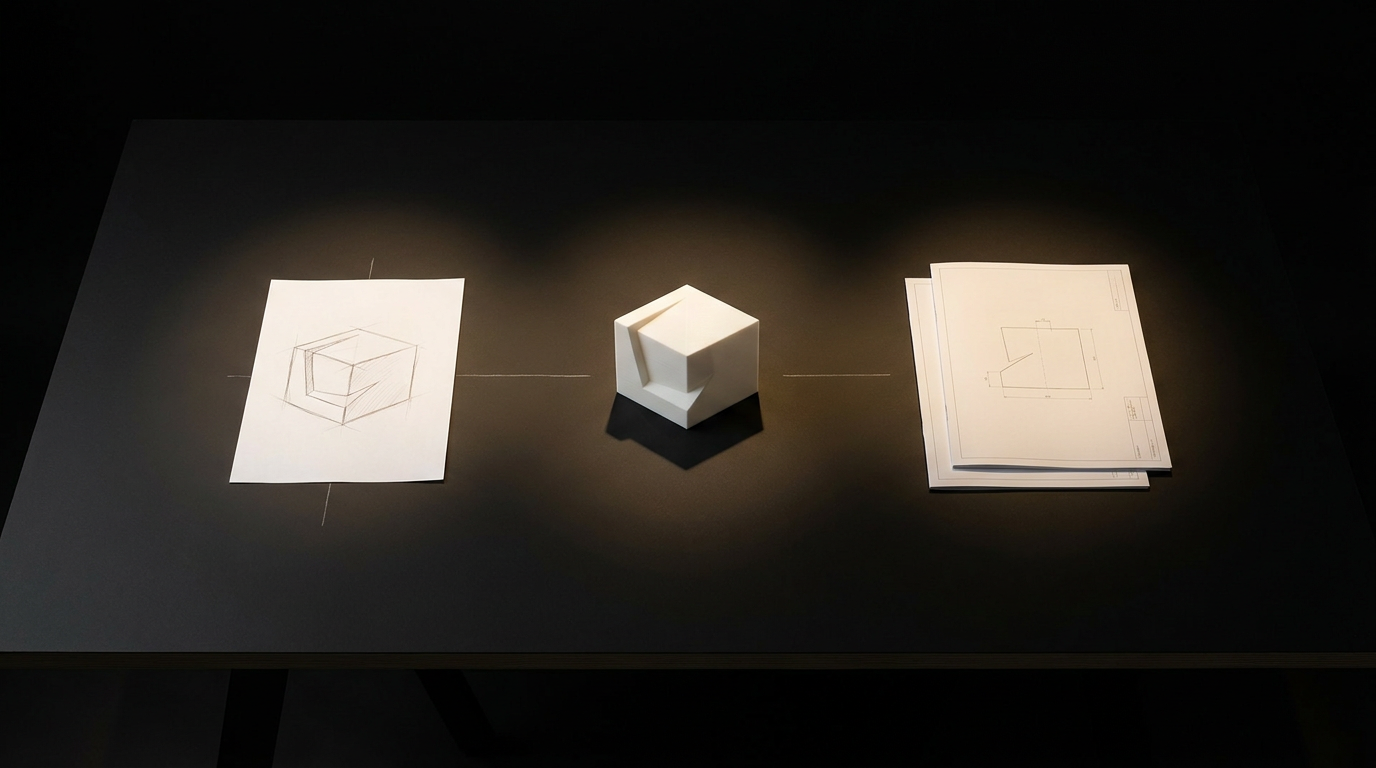
Step 1 — Write Down Exactly What the Product Does
Before anything else, get specific. A product idea that lives in your head is still just an idea. Write down what the product does, who it is for, what problem it solves, and what makes it different from anything already on the market.
This does not need to be a business plan. It needs to be clear enough that a stranger could read it and understand the product without asking questions. If you cannot write that down yet, that is your first task.
Step 2 — Research the Market
Once you can describe the product clearly, find out whether the market wants it. This means looking at who your potential customers are, what they currently use instead, what they are willing to pay, and whether the market is growing or declining.
Market research does not have to be expensive. Start with desk research — existing reports, competitor websites, pricing data, customer reviews of similar products. The goal is to arrive at a realistic picture of the opportunity before you spend money on development.
This is also the stage where a structured PIM document becomes valuable. A Product Information Management document captures everything known about the product — dimensions, materials, performance targets, certifications required, target pricing — and becomes the foundation for every conversation with manufacturers and investors that follows.
Step 3 — Validate the Concept Before You Build Anything
Most first-time product developers skip straight to manufacturing. This is one of the most common and costly mistakes in product development.
Before you invest in tooling or production, validate the concept. This means getting real feedback from real potential customers. Show them a sketch, a 3D render, or a basic prototype. Ask whether they would buy it and at what price. Listen to what they say and what they do not say.
Validation saves money and time. It also makes you a more credible founder when you eventually approach investors.
Step 4 — Protect Your Idea (If Relevant)
If your product involves a genuinely novel mechanism, design, or technology, consider intellectual property protection before you start showing it to manufacturers or investors.
A patent does not have to be filed before you begin development, but you should understand what you have and whether it is protectable. If you work with a supply chain partner or consultant during development, make sure an NDA is in place before sharing detailed technical specifications.
One important note: it is always your responsibility as the product owner to ensure your concept does not infringe on existing patents or registered designs. A good consultant will flag potential conflicts they identify, but the legal responsibility remains with you.
Step 5 — Find the Right Manufacturing Partner
This is where most founders underestimate the complexity. Finding a factory that can produce your product to the required standard, at the right price, with the right lead times, is a process that takes time and expertise.
The most efficient path is direct access — working with a partner who already has established relationships with vetted manufacturers and can introduce you directly, without intermediaries adding cost at every layer.
When evaluating manufacturers, look beyond price. Ask about minimum order quantities, production timelines, quality control processes, and whether they have experience producing products for European markets. Certifications matter — a factory that has never dealt with CE marking or RoHS compliance will slow you down significantly.
Step 6 — Build a Prototype and Test It
A 3D print or physical sample is worth more than any amount of specification documents. Build one. Use it. Put it in the hands of potential customers and watch how they interact with it.
The prototype stage will reveal things the drawings never could — tolerances that need adjustment, materials that do not feel right, features that are harder to use than expected. Every issue you find at prototype stage costs a fraction of what it would cost to fix in production.
Step 7 — Get Your Certifications in Order
If you are selling a physical product in Europe, certifications are not optional. Depending on your product category, you will likely need CE marking, RoHS compliance, and potentially additional standards specific to your industry.
The certification process takes time and costs money. Build both into your plan from the start. Working with a consultant who knows the process can significantly reduce the time it takes, but the testing itself must be done by an accredited third-party laboratory — there are no shortcuts here.
Step 8 — Plan Your Supply Chain Before You Need It
By the time your product is certified and ready to sell, your supply chain should already be in place. This means knowing your manufacturer, your freight forwarder, your warehouse arrangement, and your lead times from order to delivery.
The companies that struggle at launch are usually the ones that solved the product but not the logistics. Customers do not care about your certification timeline. They care about when the product arrives.
Step 9 — Go to Market
With a validated product, working supply chain, and certifications in place, you are ready to sell. This means deciding on your sales channels — direct, through distributors, online, or a combination — and building the basic commercial infrastructure: pricing, terms, invoicing, and customer communication.
Your PIM document from Step 2 now becomes your product datasheet, your website content, and your pitch to distributors. The work done early pays off here.
The Honest Reality
Most physical products take 12 to 24 months from idea to first sale. The companies that succeed are not the ones with the best ideas — they are the ones that follow the process, make decisions based on data rather than optimism, and build relationships with the right people at the right stages.
If you have a product idea and are not sure where to start, the best first step is a structured market research and PIM exercise. It gives you clarity, credibility, and a realistic cost picture — everything you need to decide whether to go further and how.
Run Group helps founders and companies navigate this process from concept to market. Our initial engagement covers the full market research phase and delivers a PIM document you can use with investors, manufacturers, and distributors. From there, we can support every subsequent step — or step back and let you take it forward independently.
If you are ready to take the first step, send us a message or submit your pitch deck at rungroup.eu.